
Best Bitcoin Debit Cards 2026 (Spend Crypto Like Cash)
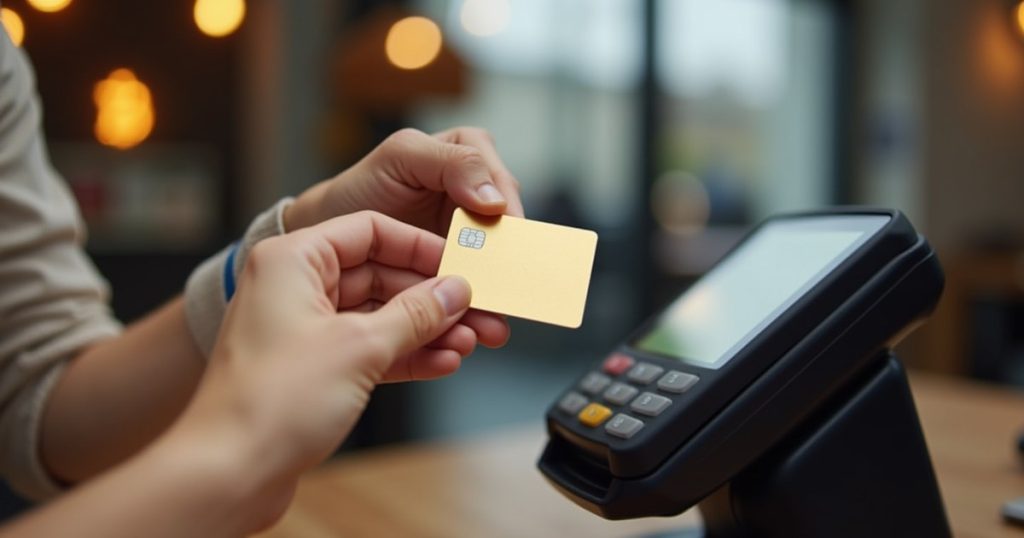
Bitcoin debit cards convert your crypto to local currency automatically at the point of sale, letting you spend Bitcoin anywhere a normal card is accepted. The best options combine low conversion fees, wide country availability, and a reputable exchange behind the card — always check spread/fee disclosures directly with the provider, since these change frequently.
Affiliate Disclosure: This article may contain affiliate links. We may earn a commission on qualifying actions, at no extra cost to you. This is not financial advice.
A Bitcoin debit card bridges the gap between holding crypto long-term and actually spending it day to day — swipe the card, and the provider converts the needed amount of Bitcoin to local currency behind the scenes, settling the transaction like any other debit card purchase.
How Bitcoin Debit Cards Work
Most cards link to a custodial account or exchange balance rather than a self-custody wallet directly — you load or hold Bitcoin with the provider, and each purchase triggers an automatic sell into the local currency needed to settle the transaction. That convenience comes with a tradeoff worth understanding before choosing a card.
What to Compare Before Choosing a Bitcoin Debit Card
| Factor | Why It Matters |
|---|---|
| Conversion spread/fee | The hidden markup on every Bitcoin-to-cash conversion — often bigger than the advertised transaction fee |
| Country availability | Many crypto card programs are restricted to specific regions — always verify for your country before applying |
| Custody model | Whether your Bitcoin sits in an exchange-controlled account until spent, versus staying in your own wallet longer |
| Rewards/cashback | Some cards offer Bitcoin-back rewards on purchases, similar to a cashback credit card |
| Monthly/annual fees | Some tiers charge a flat fee regardless of usage; low-usage holders should compare against free tiers |
Custodial Card vs Keeping Bitcoin in Your Own Wallet
The core tradeoff with any Bitcoin debit card is custody — spending convenience generally requires holding at least some Bitcoin on the provider’s platform rather than in your own wallet. For everyday spending money, that’s a reasonable tradeoff; for long-term savings, most holders still prefer moving the bulk of their Bitcoin to a hardware wallet and only keeping a smaller “spending balance” on a card provider. See our guide on how to store Bitcoin safely for the full custody picture.
Before You Apply
Crypto card fee structures and country availability change often. Always check the provider’s current published rates and terms directly before applying — don’t rely on older reviews or comparison articles for exact numbers.
Are There Tax Implications to Spending Bitcoin?
In many countries, including the US, spending Bitcoin is treated as a taxable disposal — meaning each purchase can trigger a capital gain or loss calculation, not just a normal transaction. This applies whether you spend directly from a wallet or via a debit card that converts on your behalf. Keep records of your cost basis, and consider tools covered in our crypto tax software guide to track this automatically rather than by hand.
Bitcoin Debit Cards vs Direct Bitcoin/Lightning Payments
A debit card is the simplest option for everyday retail spending since it works anywhere Visa or Mastercard is accepted. If you’re a business owner looking to accept Bitcoin directly from customers rather than spend it yourself, that’s a different setup — see our guide on the best crypto payment processors for accepting Bitcoin and Lightning payments as a merchant.
Frequently Asked Questions
Do I keep custody of my Bitcoin with a crypto debit card?
Usually not for the balance loaded onto the card — most providers require holding Bitcoin in their custodial account to enable instant conversion at checkout. Many users keep the bulk of their holdings in a separate self-custody wallet and only load a smaller spending balance onto the card.
Is spending Bitcoin with a debit card a taxable event?
In many jurisdictions, yes — spending Bitcoin (including via a debit card conversion) is treated as disposing of an asset, which can create a reportable capital gain or loss. Rules vary by country, so confirm current guidance for where you’re tax resident.
Are Bitcoin debit cards available everywhere?
No — availability varies significantly by country and even by state or region in some cases. Always confirm a specific provider supports your location before applying, since restrictions change frequently as regulations evolve.
Final Thoughts
Bitcoin debit cards make everyday crypto spending genuinely practical, but the convenience comes with a custody tradeoff and, in most countries, a tax reporting obligation on every purchase. Compare fees and country availability carefully, and keep only a spending balance on the card rather than your full holdings.
Read the Full Bitcoin & Crypto Payments Guide
From wallets to payment processors to spending — everything in one place.
Disclaimer: This article is for informational purposes only and does not constitute financial, investment, or tax advice. Bitcoin is volatile and card fees/availability change frequently — verify current terms directly with any provider and consult a licensed professional for guidance specific to your situation.