
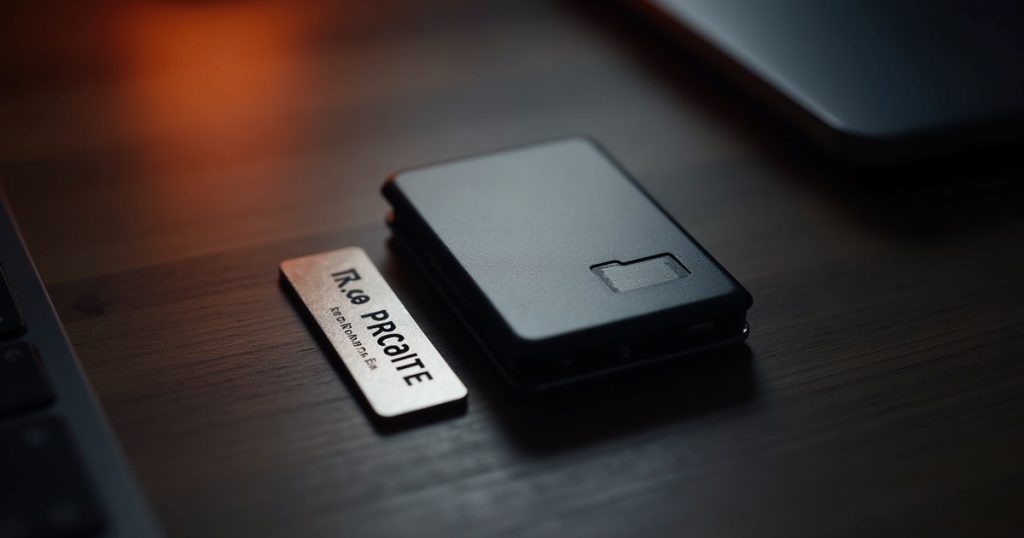
How to Store Bitcoin Safely in 2026 (Cold Storage & Hot Wallet Guide)
For any amount you’d be seriously upset to lose, cold storage (a hardware wallet, kept offline) is the safest option — your private keys never touch an internet-connected device. Hot wallets (software, connected to the internet) are fine for small, actively-used amounts, but shouldn’t hold long-term savings.
Affiliate Disclosure: This article contains affiliate links to Ledger and Trezor. We may earn a commission if you purchase through our links at no extra cost to you. This is not financial advice.
Every major Bitcoin loss story — hacked exchanges, lost hard drives, forgotten passwords — traces back to the same root cause: private keys stored somewhere they shouldn’t have been. Storage isn’t a complicated topic once you understand the core tradeoff between convenience and security. This guide breaks it down clearly.
Hot Storage vs Cold Storage
| Type | Connected to Internet? | Best For |
|---|---|---|
| Hot wallet | Yes | Small, actively-spent amounts |
| Cold storage (hardware wallet) | No — offline by design | Long-term holdings, savings |
A useful mental model: treat a hot wallet like the cash in your physical wallet, and cold storage like a safe. You wouldn’t carry your life savings around in cash day to day — the same logic applies here.
Setting Up Cold Storage Correctly
- Buy directly from the manufacturer (Ledger.com or Trezor.io), never from a third-party marketplace listing — devices bought secondhand or from unverified sellers can be tampered with
- Verify the device is sealed on arrival and generate your recovery phrase yourself during setup — never use a pre-printed phrase that came with the device
- Write the recovery phrase on paper (or a fireproof metal backup for larger holdings), never digitally
- Store the backup somewhere separate from the device — if both are stolen or destroyed together, the separation doesn’t help
- Test with a small transaction first before transferring your full balance
Advanced Options for Larger Holdings
Multi-Signature (Multisig) Wallets
Requires multiple private keys (e.g., 2-of-3) to authorize a transaction, so a single compromised key or device isn’t enough to move funds. More setup complexity, but meaningfully reduces single-point-of-failure risk for larger holdings — often used with two or three separate hardware wallets.
Geographic Backup Distribution
Storing recovery phrase backups in more than one secure physical location (e.g., a home safe and a bank safety deposit box) protects against fire, flood, or theft affecting a single location — a common practice once holdings reach a meaningful amount.
Mistakes That Cause Permanent Loss
- Storing a recovery phrase digitally — a cloud note, email draft, or photo is searchable and hackable in a way paper isn’t
- Sharing your recovery phrase with “support” — no legitimate wallet company or exchange will ever ask for it; this is the most common scam vector
- Buying a hardware wallet secondhand — a tampered device can be designed to leak your keys to an attacker
- No backup at all — a lost or damaged device with no recovery phrase backup means permanently lost funds, with no customer support to appeal to
Frequently Asked Questions
How much Bitcoin justifies buying a hardware wallet?
There’s no fixed number — the right threshold is “an amount that would genuinely hurt to lose.” Hardware wallets cost $60–$150, so for most people, that threshold is reached well before their holdings become life-changing money.
What happens to my Bitcoin if the hardware wallet company goes out of business?
Your funds remain fully safe and accessible — your recovery phrase works with any wallet compatible with the same standard (nearly all modern wallets use the same BIP-39 standard), not just the original manufacturer’s software. The company going out of business doesn’t affect the blockchain itself.
Is it safer to leave Bitcoin on an exchange like Coinbase?
For small, actively-traded amounts on a major regulated exchange, it’s reasonably safe. But you don’t control the private keys, meaning your funds depend on the exchange’s security and solvency. For meaningful long-term holdings, self-custody via a hardware wallet is the more conservative choice.
Final Thoughts
Safe Bitcoin storage comes down to a simple rule: small, active amounts in a hot wallet; anything you’d hate to lose in cold storage, with your recovery phrase backed up on paper or metal, in more than one secure location. Most storage disasters are entirely preventable and come down to skipping one of these basic steps, not sophisticated hacking.
Buy a Ledger Nano X — Most Trusted Cold Storage Wallet
Keep your private keys completely offline with a guided setup process built for beginners and experienced holders alike.
Disclaimer: This article is for informational purposes only and does not constitute financial advice. Bitcoin and cryptocurrency are volatile, speculative assets — only invest what you can afford to lose. Affiliate links are present in this article.